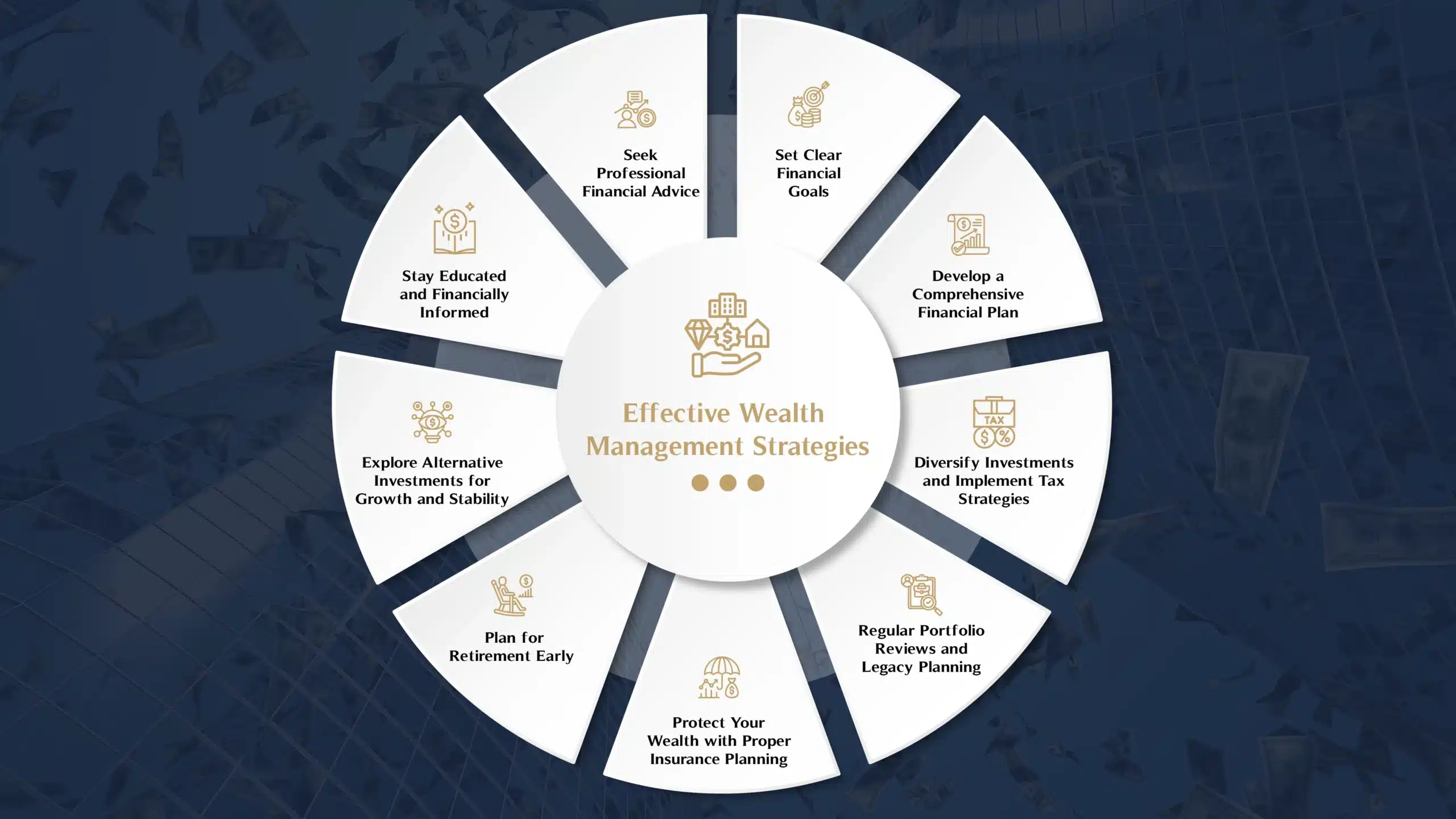
Wealth Management: Securing Your Financial Future
Wealth management is more than just saving money—it’s a comprehensive approach to growing, protecting, and transferring assets. From investments and insurance to tax planning and retirement, wealth management provides strategies that help individuals and families achieve long-term financial security.
What is Wealth Management?
Wealth management combines financial planning and investment management into a single strategy. It is typically offered by banks, financial advisors, and specialized firms to high-net-worth individuals, but today many services are available digitally, making wealth management more accessible.
Key Components of Wealth Management
- Investment Planning – Building a diversified portfolio of stocks, bonds, real estate, and alternative assets to grow wealth.
- Retirement Planning – Ensuring steady income after retirement through pensions, IRAs, and other savings plans.
- Tax Optimization – Using legal strategies to minimize tax liabilities and preserve income.
- Estate Planning – Preparing for wealth transfer through wills, trusts, and insurance to protect future generations.
- Risk Management – Using insurance and other tools to protect assets against unforeseen events.
Benefits of Wealth Management
- Holistic Financial Approach – Covers every aspect of personal finance under one strategy.
- Customized Solutions – Tailored plans based on financial goals, lifestyle, and risk tolerance.
- Long-Term Security – Ensures not only wealth growth but also protection and preservation for future needs.
Role of Technology in Wealth Management
Digital wealth management platforms, often called robo-advisors, are revolutionizing the industry. Companies like Betterment and Wealthfront use algorithms to create personalized investment strategies at lower costs. These tools make professional wealth management accessible to younger investors and those with smaller portfolios.
Common Mistakes to Avoid
Ignoring diversification, underestimating tax impact, and failing to plan for retirement are common errors. Many people also overlook estate planning, which can cause complications for their families. Regular reviews with a financial advisor can prevent these mistakes.
Conclusion
Wealth management is essential for anyone who wants to build, protect, and transfer assets effectively. With the right mix of planning, investment, and professional guidance, financial goals can be achieved more efficiently. In today’s fast-changing economy, wealth management remains the key to lasting financial security.